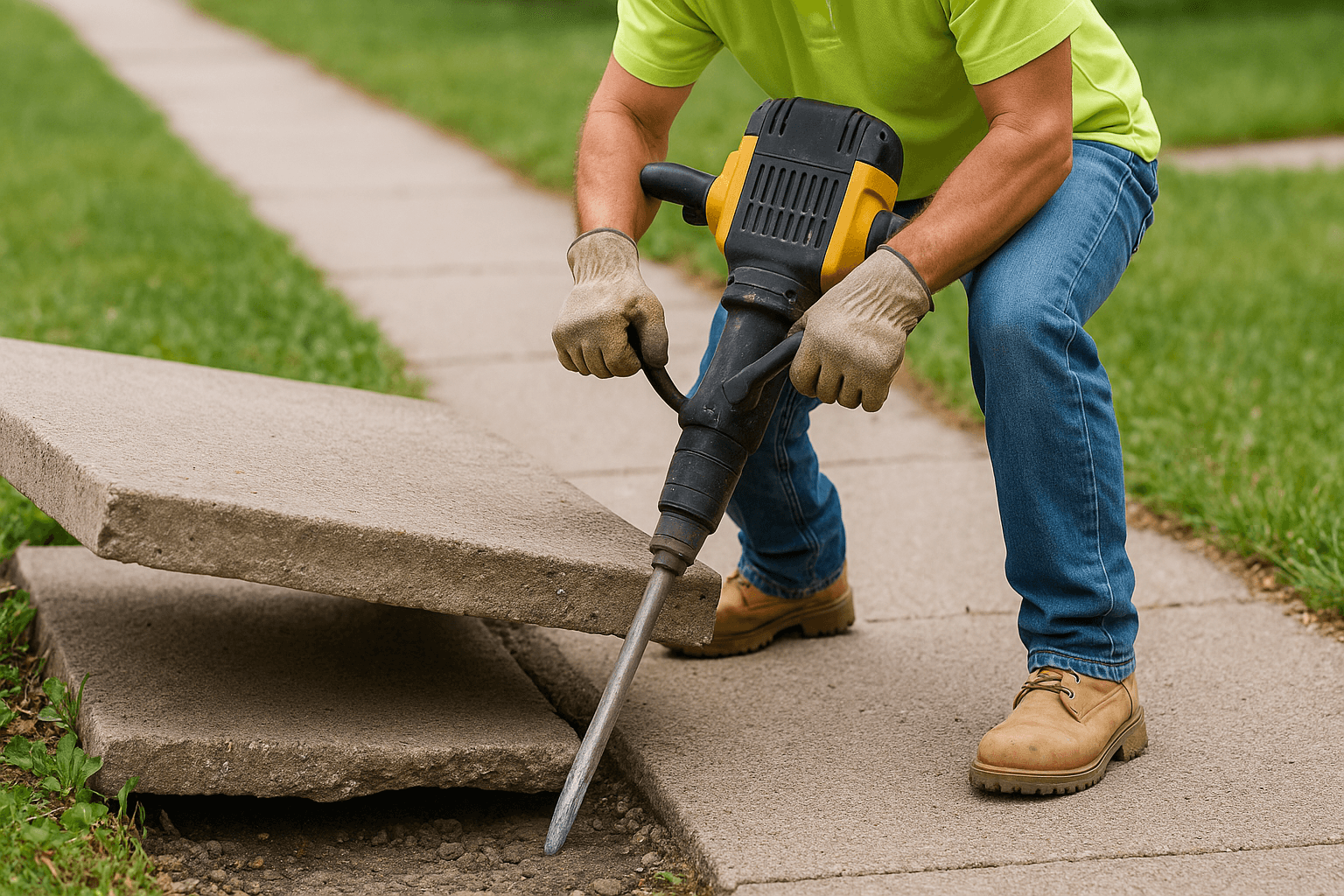
walking down your front path shouldn’t feel like an obstacle course, and shoveling snow in Ogden shouldn’t involve a jarring stop every few feet because your shovel hit a raised lip of concrete. It’s frustrating, isn’t it? You look at that uneven slab and think, “I’ll get to that eventually,” but another season passes, the freeze-thaw cycle hits, and suddenly that small crack is a massive trip hazard.
So, What Exactly is Going on Down There?
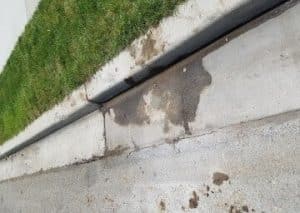
Here’s the thing: concrete is heavy. Like, really heavy. But it’s generally pretty strong stuff. When you see a Sidewalk slab sinking or tilting, it’s rarely the concrete’s fault. It’s almost always the soil underneath that’s behaving badly.
In Northern Utah, we deal with a mixed bag of soil types. Depending on where you live in Ogden—whether you’re up on the bench or down closer to the valley floor—you might be sitting on sandy loam or expansive clay. And water? Water is the enemy. When water isn’t draining properly, it washes away the dirt supporting your concrete. This creates what we in the industry call voids.
Once there’s a void, gravity takes over. The slab has nothing to hold it up, so it settles. Sometimes it happens slowly over a decade; sometimes a heavy rainstorm speeds things up. But the result is always the same: an ugly, uneven walkway that ruins your Curb appeal and threatens your ankles.
The Old Way vs. The Smart Way
You might be thinking, “Well, I guess I have to rip it all out and pour new cement.”
Honestly? That’s usually overkill. It’s like buying a new car because you got a flat tire. Sidewalk lifting, also known as slab jacking or Mud Jacking, is the process of pumping material under the existing concrete to float it back up to its original level.
Why would anyone choose to tear out perfectly good concrete? Usually, it’s just because they don’t know lifting is an option.
When you replace concrete, you’re looking at a noisy, messy construction project. Jackhammers, dust everywhere, heavy trucks tearing up the lawn, and then you have to wait for the new pour to cure. It takes days, sometimes weeks, before you can walk on it properly. Plus, new concrete stands out like a sore thumb against older, weathered slabs. It rarely matches.
Sidewalk lifting is different. It’s surgical. We drill small holes—about the size of a quarter—pump a specialized slurry or foam mixture underneath, and the pressure gently raises the slab. It takes a few hours, not a few days.
Why Ogden Winters Are Hard on Your Concrete
We can’t talk about sidewalks here without talking about the weather. You know how it is. We get those deceptive sunny days in January where the snow melts, followed by a hard freeze at night.
This freeze-thaw cycle is brutal for concrete surfaces.
Water seeps into the control joints (the lines cut into the sidewalk) or cracks. When that water freezes, it expands by about 9%. That expansion is powerful enough to heave slabs upward. Then, when the ice melts, the water drains away, sometimes taking soil with it.
Over a few winters, this back-and-forth movement leaves your walkway looking like a rollercoaster. And let’s be real—shoveling snow over an uneven sidewalk is a special kind of torture. Hitting a raised edge stops you dead in your tracks and jabs the shovel handle right into your gut. Getting those slabs leveled out makes winter maintenance about a thousand times easier.
The “Trip and Fall” Nightmare
I hate to bring up the scary stuff, but we have to talk about liability.
If you’re a homeowner, the sidewalk leading up to your porch is your responsibility. If the city sidewalk in front of your house is heaving, check your local ordinances, but often the homeowner still bears some duty of care to keep things safe.
Picture this: The mail carrier, a delivery driver, or just a neighbor out for a walk trips on a 2-inch lip in your concrete. That’s a potential lawsuit waiting to happen. In the world of insurance, trip hazards are a big deal.
Most real estate agents will tell you that uneven concrete is a major red flag during home inspections, too. If you’re trying to sell, a savvy inspector is going to flag that sunken Driveway or walkway immediately. It screams “foundation issues” to buyers, even if it’s just a simple surface drainage problem. Fixing it beforehand creates a much cleaner first impression.
The Process: How Mud Dog Jacking Works
You might be wondering what the actual day-of process looks like. Is it loud? Will it ruin the grass?
It’s actually pretty low-impact. Here is a breakdown of how Concrete Leveling typically goes down:
- Drilling: We drill a series of strategically placed holes in the sunken slab.
- Pumping: A hose is connected to these ports. We pump a mixture (this could be a sand-cement slurry or a polyurethane foam) into the void.
- Lifting: As the void fills, pressure builds up. The slab has nowhere to go but up. We control this lift carefully, inch by inch, until it’s flush with the adjacent slab.
- Patching: The holes are patched with cement.
- Clean up: We wash off the slab, and you’re good to go.
You can usually walk on the surface immediately if it’s mudjacking, or within 15 to 30 minutes if it’s foam. No yellow caution tape needed for days on end.
Comparing the Costs: Lifting vs. Replacement
Let’s talk money. That’s usually the deciding factor, right?
Replacing concrete is labor-intensive. You’re paying for demolition, hauling away the debris (which is heavy and expensive to dump), framing, materials, and finishing labor.
Sidewalk lifting typically costs about 50% to 70% less than replacement. You are essentially recycling your existing concrete. Unless the slab is pulverized into rubble—crumbled beyond recognition—there is no reason to throw it away.
| Feature | Sidewalk Lifting | Concrete Replacement |
|---|---|---|
| Cost | Low (approx. 50-70% less) | High (labor & material intensive) |
| Time to Complete | 1-4 Hours | 2-5 Days (plus cure time) |
| Mess Factor | Minimal dust, no landscape damage | High mess, lawn damage likely |
| Useability | Almost Immediate | Wait 24-48+ hours |
| Color Match | Maintains existing weathered look | New concrete will look different |
It’s a budget-friendly way to maintain the value of your home without draining your savings account.
Does It Last?
This is a fair question. If the ground settled once, won’t it just settle again?
It can, but the materials we use are designed to stabilize the subgrade. When we pump the slurry or foam in there, it doesn’t just lift the slab; it compacts the loose soil underneath. We are essentially building a new, firmer base for the concrete to rest on.
However, water management is key to longevity. After we lift a sidewalk, we always recommend homeowners check their downspouts and grading. If rainwater is dumping directly onto the edge of the sidewalk, eventually it will undermine the repair. But if you keep the water away, a lifted sidewalk can stay level for the life of the concrete.
Think of it like fixing a cavity. The filling works great, but you still have to brush your teeth to keep the rest of the tooth healthy.
When Lifting Isn’t the Answer
I want to be transparent here. Sometimes, concrete is too far gone.
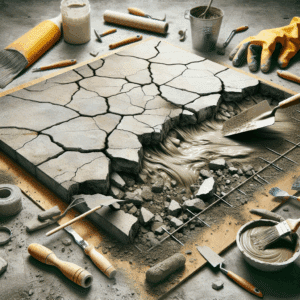
If a tree root the size of your thigh has grown under the slab and lifted it, jacking isn’t going to fix that. The root has to be dealt with, and often the slab has to be cut. Or, if the concrete has crumbled into a dozen small pieces like a broken cracker, lifting it is impossible because there’s no structural integrity left to lift.
But for the vast majority of sunken aprons, walkways, and Steps, lifting is the gold standard.
A Note on Caulking and Sealing
Once the slab is back up to level, the job isn’t quite done. Remember those cracks I mentioned earlier? The ones where water gets in?
To protect your investment, you should seal the joints and cracks. Using a high-quality silicone or polyurethane caulk prevents water from diving back under the slab and starting the erosion process all over again. It’s a small maintenance step that adds years to the life of your concrete. It also stops weeds from growing in the cracks, which is just a nice bonus for your weekend gardening routine.
Restoring Your Home’s Smile
Your front walkway is like the handshake of your home. It’s the first thing people interact with. When it’s level, clean, and safe, it sends a message that the house is well-cared for.
Don’t let a sinking slab nag at you every time you walk out the door. It’s one of those home repairs that offers instant gratification. You leave for work in the morning with a trip hazard, and come home to a smooth, safe path.
If you’re in Ogden or the surrounding area and you’ve got a piece of concrete that’s acting up, don’t wait for someone to trip. It’s easier to fix than you think.
At Mud Dog Jacking, we specialize in getting your concrete back on the level quickly and affordably. Give us a call at 801-644-9122 or go online to Request a Free Quote. We’ll take a look and let you know exactly what it takes to get things back on solid ground.